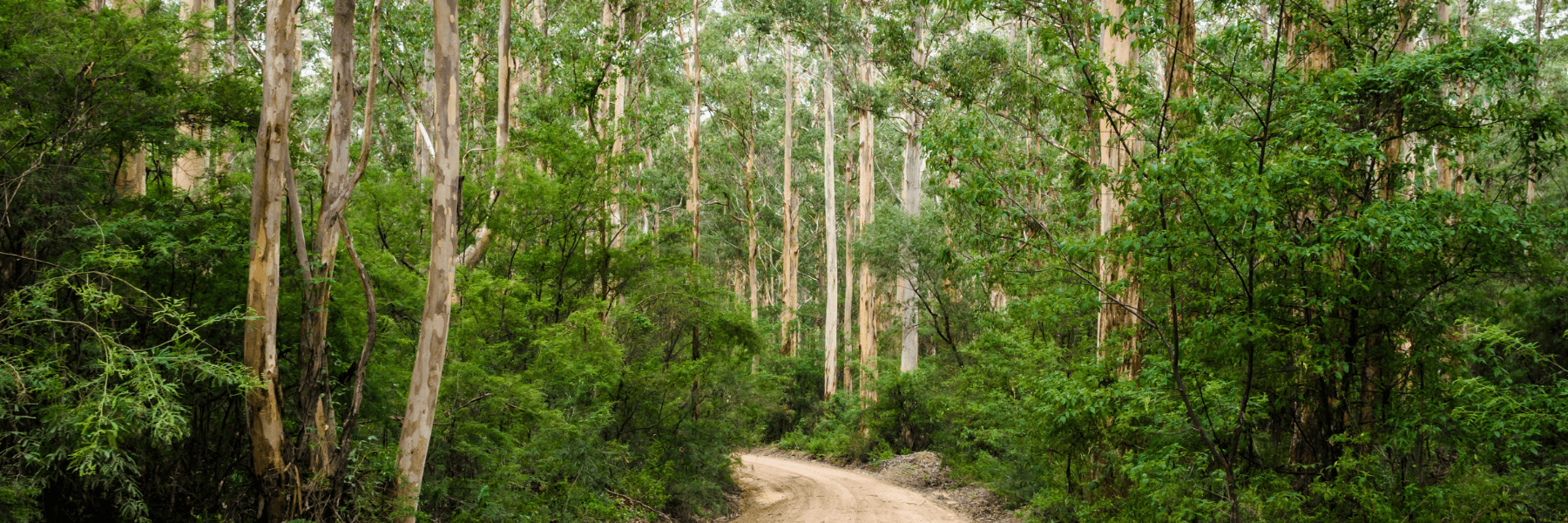
We're thrilled to announce an upcoming Bioblitz in Julimar State Forest on the weekend of September 5, 2025. This vital event, in conjunction with the Julimar Conservation Alliance, will bring us closer to understanding and protecting an invaluable natural treasure, much of which remains unexplored.
What is a Bioblitz?
 A Bioblitz is a snapshot in time, a short, intense period where we record every living species we can find in a specific area – in this case, Julimar State Forest, over a single weekend. It's a fantastic way to learn about our local environment and become a citizen scientist, contributing directly to conservation efforts.
We'll have experts leading guided surveys, but you don't need to be a seasoned biologist to join! We need enthusiastic volunteers to help record sightings, take photographs for identification, and simply spot interesting plants and animals. Even if you just want to enjoy a guided survey through this incredible forest, your presence makes a difference.
To express your interest or to find out more, please contact [email protected] or the Julimar Conservation and Forest Alliance at [email protected]
Julimar State Forest: A Biodiversity Hotspot
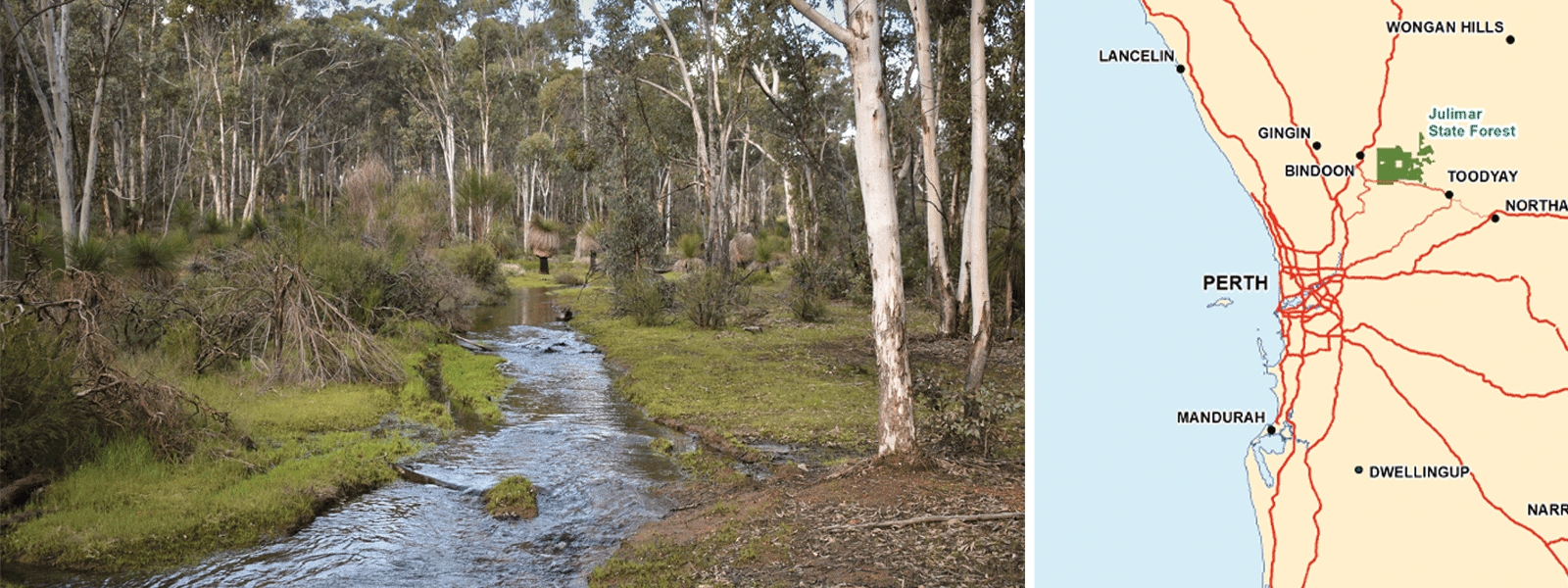
 Spanning 28,563 hectares, Julimar State Forest is a breathtaking expanse nestled just 25–35 km northwest of Toodyay (Dudja). Its very name, 'Julimar,' originates from the Noongar word 'djoorla' for the thigh bone of a kangaroo, pronounced ‘jaw-la,’ reflecting its deep connection to the land.
This incredible forest is more than just trees; it's part of the globally significant Southwest Australia Ecoregion and the Avon River catchment, feeding Perth’s waterways.
The Forest marks the northernmost extent of the Northern Jarrah Forest, a vast 250 km ecosystem currently facing collapse due to climate change and unregulated activities. It serves as a vital green corridor, connecting the Bindoon Training Area to the north with the Moondyne Nature Reserve and Avon Valley National Park to the south, ultimately linking to the Walyunga National Park near Perth – forming a combined protected area of 68,300 hectares.
An Oasis of Life
 Julimar's biodiversity is extraordinary. The Leeuwin Group of Scientists even recently declared Jarrah forests like Julimar as the "most biodiverse temperate forest on earth.”
Flora
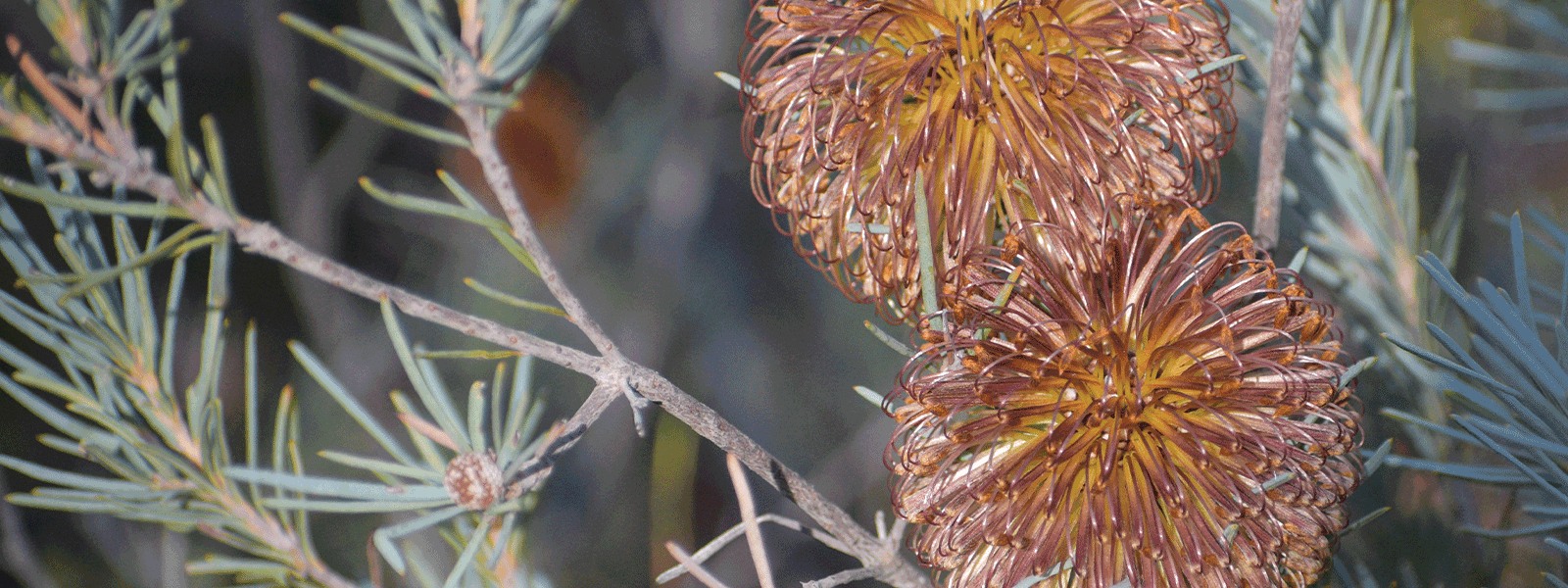
Over 500 native plant species thrive here, including 7 species of Eucalypts (including sizeable areas of Marri and Wandoo Woodland), 37 species of orchids, and 49 species from the proteaceae family. Crucially, it hosts 4 endangered, 1 vulnerable, and 22 priority flora species.
Fauna
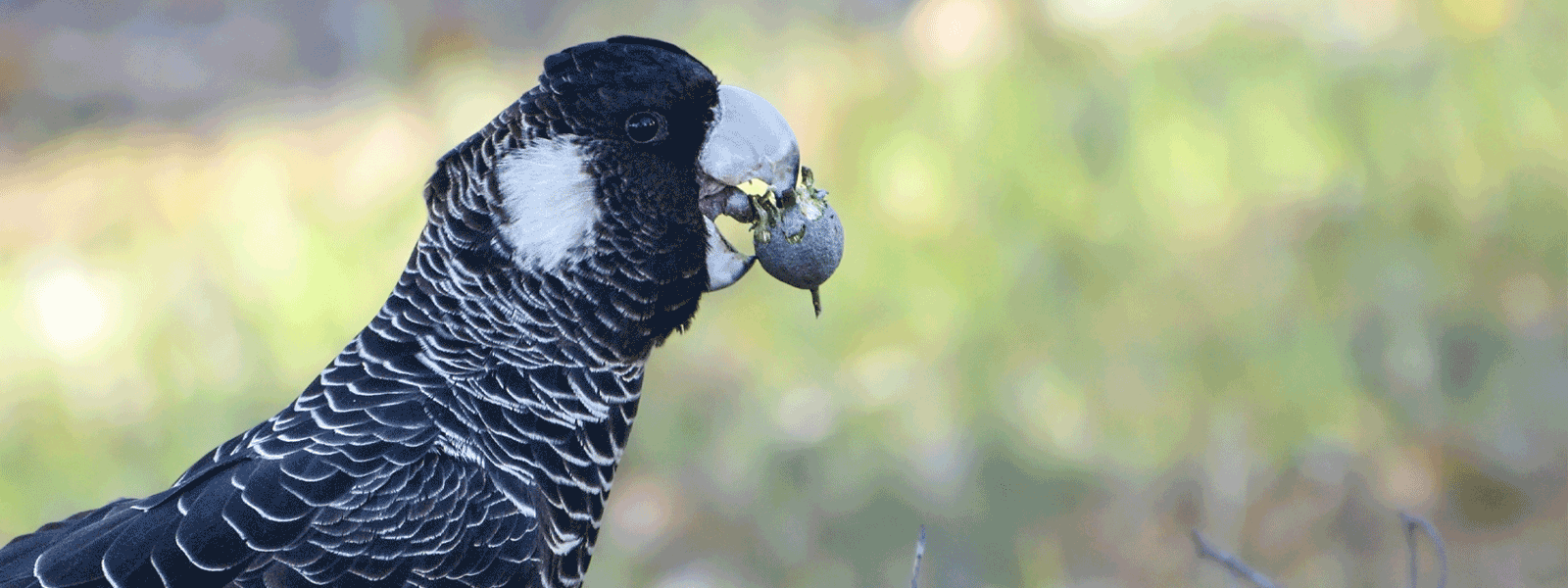
Birds: Julimar boasts over 140 bird species, including critical breeding populations of the endangered Carnaby’s Black Cockatoo (Zanda latirostris), the endangered Baudin’s Black Cockatoo (Zanda baudinii), and the vulnerable Red-tailed Black Cockatoo (Calyptorhynchus banksii naso).
Mammals: The forest shelters 40 mammal species, notably one of the highest recorded populations of the threatened Chuditch (Dasyurus geoffroii) and one of the few remaining wild populations of the critically endangered Woylie (Bettongia pencillata). The Woylie, a natural 'bioturbator,' plays a vital role in soil health and forest resilience by digging and turning over soil. Thick, spiny vegetation provides crucial refuge for these vulnerable critical weight mammals.
Reptiles & Amphibians: 60 species of reptiles and amphibians, including the Snake-necked Turtle (Chelodina oblonga) and 16 species of frogs, make their home in Julimar's diverse habitats.
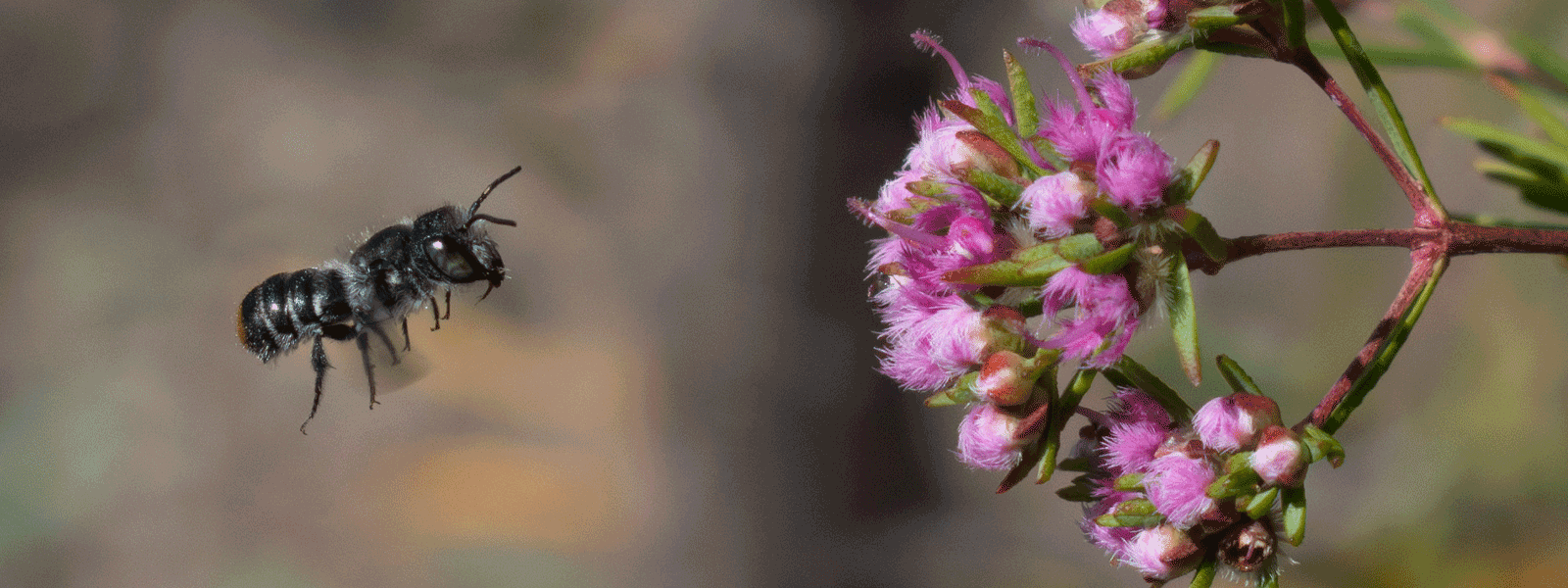
Invertebrates: While no systematic study exists for Julimar's invertebrates, a study of the nearby Malkup Brook Reserve recorded over 190 species of arthropods, including 64 species of Butterflies and Moths! Researchers Fred and Jean Hort, who have spent over 20 years recording species in Julimar, have even found unique species like the Trap-jaw Ants, and are in the process of naming a new butterfly species, Neulucia julimar.
Julimar's incredible diversity is amplified by its location at the intersection of three Biogeographic Regionalisation regions, further enhancing its unique blend of flora and fauna.
Why the Bioblitz Matters Now More Than Ever
A movement is underway to reclassify Julimar State Forest as a National Park. This would provide the stronger environmental protection needed for this vital area. By participating in our Bioblitz, you'll be directly contributing valuable data that strengthens the case for this critical change. Every species recorded helps paint a more complete picture of what we stand to protect.
Join us, explore unknown corners of this amazing forest, and help to preserve Julimar State Forest’s unparalleled natural legacy.
This project is partially funded by the Bupa Foundation, and being supported by the Conservation Council of WA, Julimar Conservation and Forest Alliance and WA Forest Alliance.
Register your attendance here