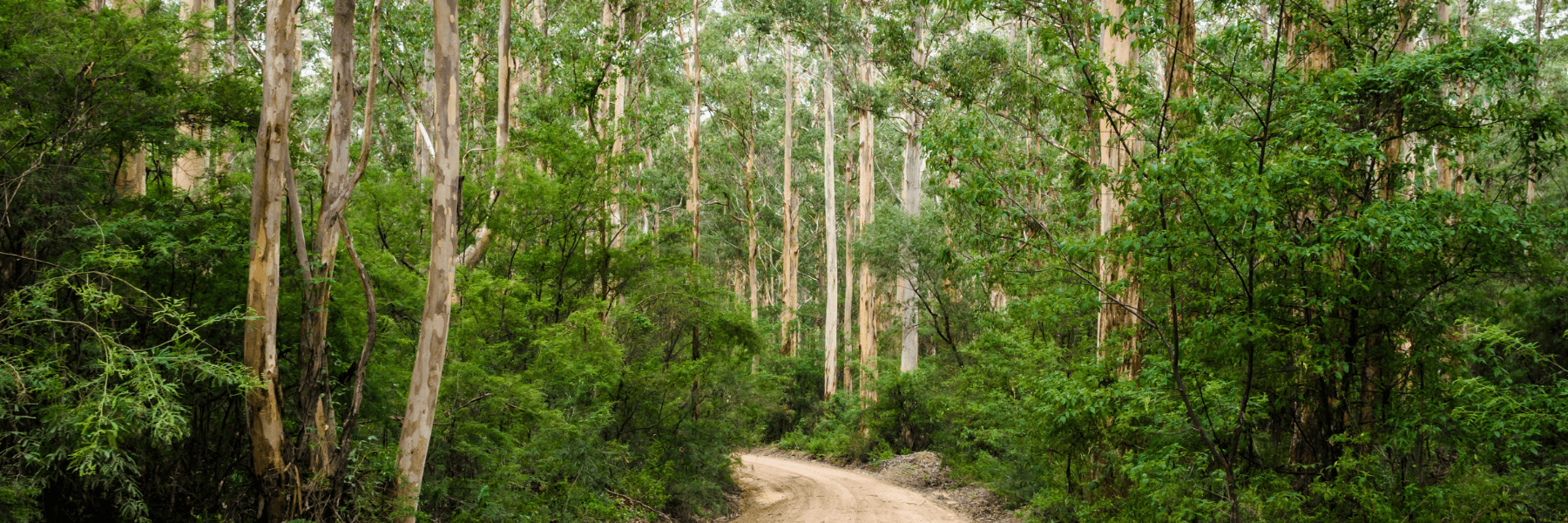
Recreation and conservation groups have united to bolster the preservation of the environmental and internationally renowned nature-based recreation values of the Darling Range, in response to Alcoa’s proposed expansion of bauxite mining operations.
The US mining giant has a two-pronged proposal before the WA Environmental Protection Authority (EPA) with plans to clear another 11,500ha of the Northern Jarrah Forest, equivalent to around 27.5 Kings Parks.
Conservation Council of WA (CCWA) Executive Director Matt Roberts said that issues around Alcoa’s expansion plans extended beyond just environmental concerns.
“The environmental impact of Alcoa’s bauxite mining operations in the Darling Range has been widely criticised for its impact on this globally recognised biodiversity hotspot,” Mr Roberts said.
“However, these expansion plans also lock out recreation groups and nature-based tourism, that has so far flown under the radar and has not been adequately addressed by Alcoa.”
Mr Roberts said Alcoa has acknowledged that mining would directly impact the Bibbulmun Track due to its proximity to proposed expansions [1].
“Impacts to visual and audio amenity from construction, operational and blasting noise are also expected, with nature-based activities like hiking, mountain biking, estuarine and adventure tours impacted by the expansion plans, with Munda Biddi Cycle Trail affected,” he said.
“There is strong public support for protecting and accessing WA’s forests. According to an online survey commissioned by the WA Government in 2021, almost everyone in WA uses the forest, with 98 per cent of respondents stating that visiting native forests near Perth improved their quality of life [2].”
WA Forest Alliance (WAFA) Director Jess Boyce said mining disturbance will be visible on the Bibbulmun Track from Mount Cooke, Mount Vincent, Mount Wells and Boonering Hill and within the Monadnocks Conservation Park.
“Alcoa’s planned expansions will lock out recreational users from a large area of forest near Perth and will impact the serenity they seek from nature-based experiences,” Ms Boyce said.
HikeWest Vice President Neil Gibson said that WA’s peak hiking body is concerned about the broader impacts on hiking.
“More, rather than fewer, opportunities are needed to meet the recreational demands of Perth’s growing population and support nature-based tourism around Dwellingup and Jarrahdale,” Mr Gibson said.
“Bushwalking is one of WA’s most popular recreational activities, yet the proposed expansions into these areas of mature forest would result in permanent loss of existing and future quality bushwalking experiences.”
Perth Bushwalkers Club former President Dr Melvyn Lintern said the Bibbulmun Track and other walking trails in the Perth Hills have already been severely affected by bauxite mining.
“Walks will lose their healing powers as the forest becomes more fragmented,” Dr Lintern said.
“In addition to visual pollution, noise from blasting may extend at least a kilometre out from mining operations, destroying any sense of peace and tranquillity this unique forest experience provides for bushwalkers.”
Dr Sue Fyfe at the Forest Discovery Centre In Dwellingup, said they were worried about losing the beautiful unmined forest.
“Many people have long-term relationships with Dwellingup with many having camped out at the Lane Poole Reserve on the Murray River or been on school camps. With large State and local government investment in Dwellingup as a Trails Tourist Town over the past 10 years, the town and its surrounds have developed as a valued destination,” Dr Fyfe said.
“Just providing ‘visual amenity’ with buffers, so that walkers, bike riders or other visitors do not immediately see the devastation of the forest, does not change the degradation of the environment.
"This forest, especially in the Myara North and Holyoake mine expansions will no longer exist in its current unmined state and will likely never be returned to a mature jarrah forest.
"It is likely that many people will never see the animals of the jarrah forest as their feeding and breeding habitats may not recover properly. Already 90% of the Baudin’s black cockatoo has been lost over the last three breeding generations.
"We are concerned about whether a forest ecosystem can ever be fully replaced once it is destroyed. We think that the intergenerational principle is also being ignored, as the young bike riders, trailwalkers and students of today are going to inherit a much degraded environment in the future."
MEDIA CONTACT
CCWA | Media Advisor John Cooke | 0433 679 780