Skip navigation

Citizen Science

CCWA’s Citizen Science Program gives communities across WA the opportunity to get hands-on experience in a wide range of conservation projects. 

From bioblitz projects to habitat restoration and monitoring of WA’s bats, our conservation projects have taken us all across our beautiful state. We work with scientists, graduates, students, community groups, and other non-government organisations to help achieve amazing things for WA conservation. Our Citizen Science program aims to improve our understanding of the local environment, empower communities in decisions about nature in their area, and get people connected with nature. 

No two projects are the same – CCWA has worked with communities and like-minded groups across WA to achieve some incredible work for WA’s native species and biodiversity, including bird surveying, small vertebrate trapping, acoustic bat surveys, seabird monitoring, flora biodiversity surveying, surveying carbon sequestering projects, remnant vegetation assessments, and fairy tern conservation. 

Keep up to date with the latest Citizen Science news and opportunities by signing up to our emails!
News

Read More

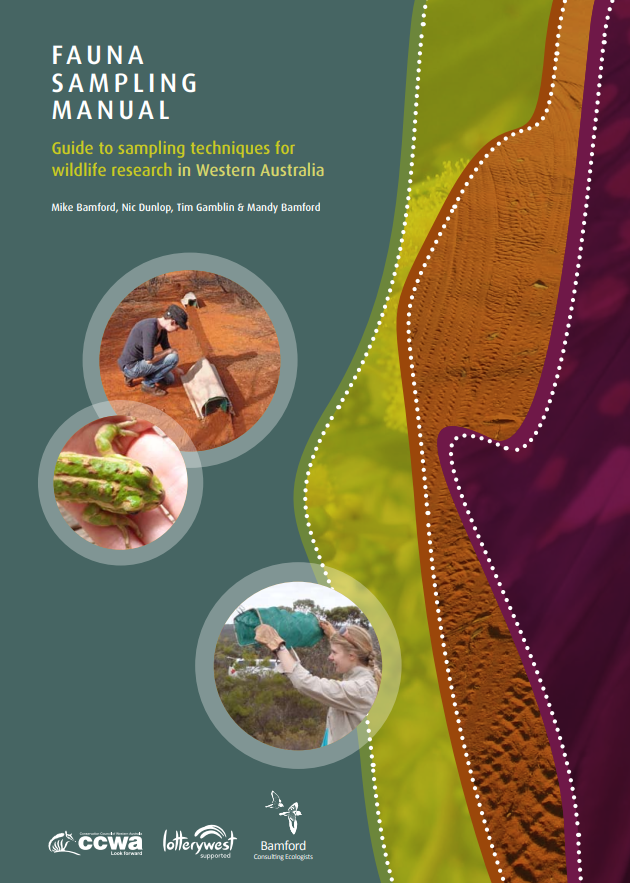
Fauna Sampling Manual: A guide to sampling techniques for wildlife research in WA


This guide supports a mentor-based training program designed to provide participants with sufficient field experience in the most common capture and sampling methods to qualify for licences to take or mark fauna in Western Australia. 

The aim of the guide and the training program is to capture and share the considerable experience that lies behind the implementation of sampling techniques, and therefore to foster the effective and ethical use of traps and other sampling techniques so that maximum conservation value is gained and minimum harm done to fauna.


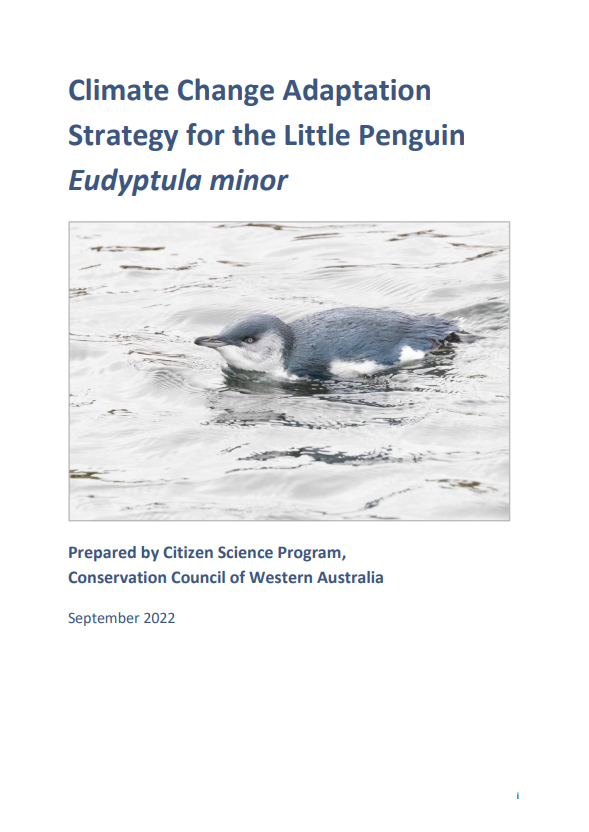
Climate Adaption Strategy for the Little Penguins


Penguin Island’s Little Penguin colony has undergone a precipitous decline over the past decade. Between 2007 and 2019, the number of penguins in the colony is estimated to have decreased by 80% (Cannell 2020). This strategy identifies the potential interventions that may be implemented to mitigate the effects of limited prey availability, reduced rainfall, high ambient temperatures, and reduced reproductive performance.


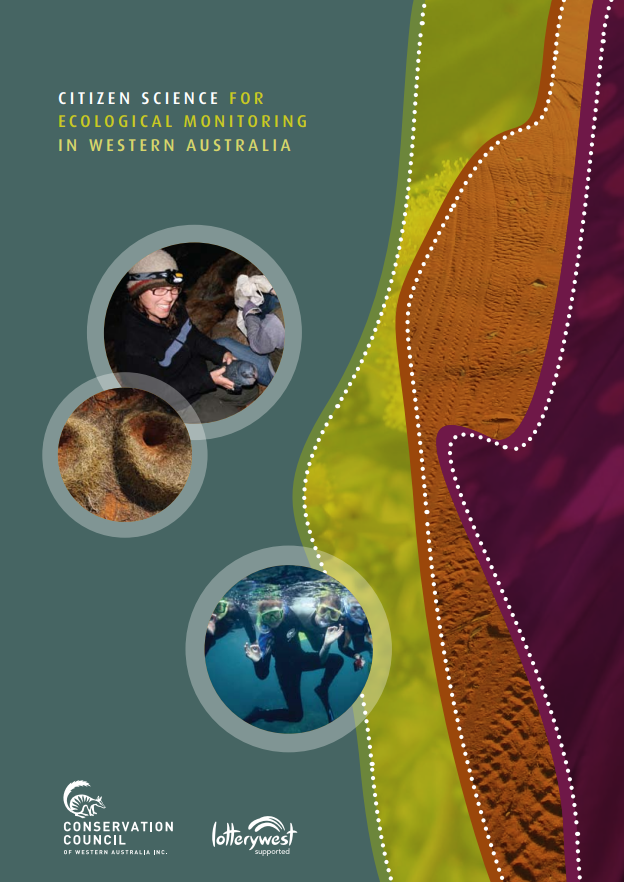
Citizen Science for Ecological Monitoring


The Citizen Science for Ecological Monitoring handbook is in two parts.

Part A introduces citizen science and the concepts behind monitoring design and sampling, with a focus on the use of bioindicators. 

In Part B, this monitoring template has been applied to four demonstration projects that were developed through the planning and pilot stages as part of this project.

Over 5O citizen-scientists, experts and interested lay-people alike, assisted in the field work that road-tested various methodologies.