Op-Ed by Matt Roberts, Executive Director of Conservation Council of WA
This op-ed featured in WAToday here.
This week we saw our Federal Environment Minister Murray Watt in Western Australia, promising a “secret Santa” wish list to speed up project approvals under the overhaul of our broken environmental laws.
Apparently, new figures revealed the state’s projects were taking longer to approve than those in the rest of the country, yet we are told ad nauseam that WA is the engine room of the country.
WA cannot be both the “engine room of the economy” and “a disaster for projects and investment” at the same time.
Big business and certain individuals clearly continue to profit handsomely from WA’s resources sector, as reflected in the 2025 Rich List.
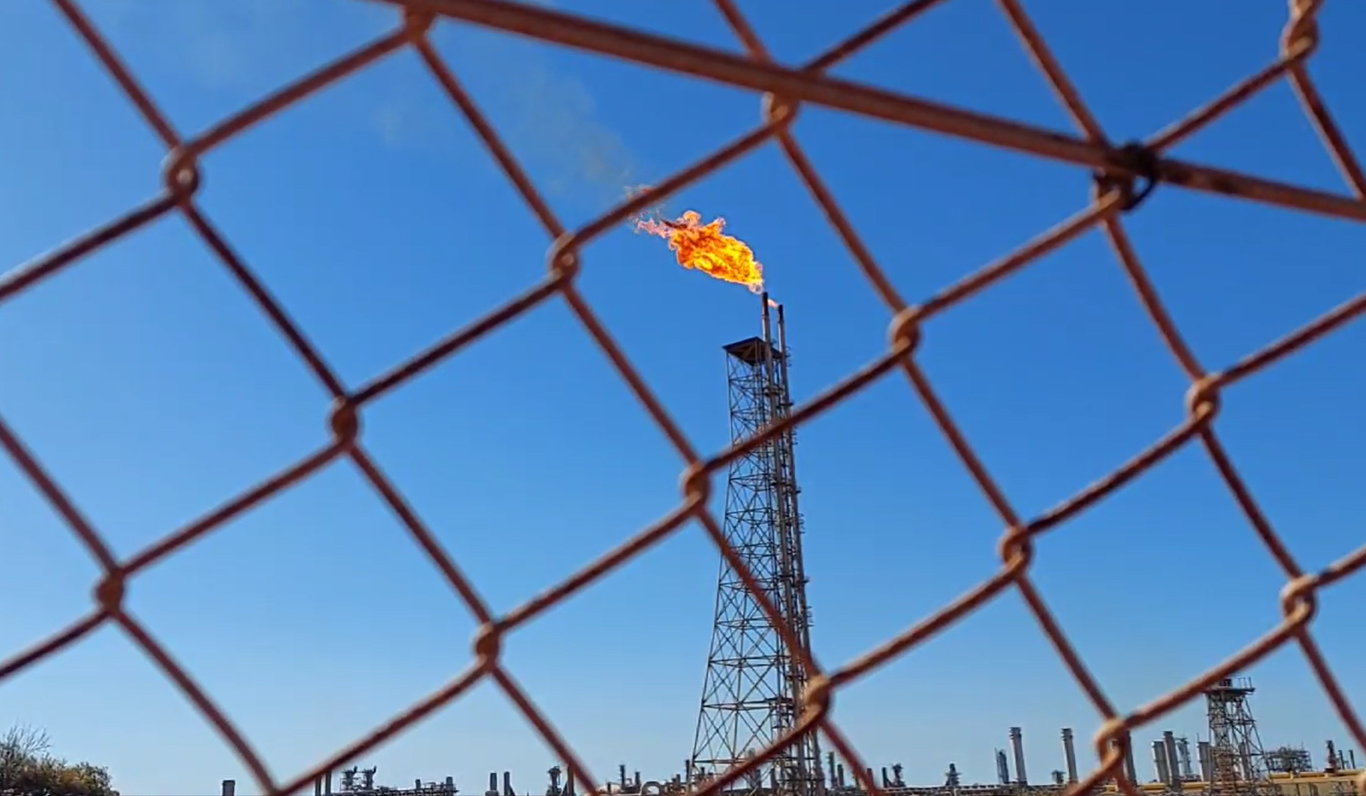
North West Shelf - flare through wire fence
Watt was quick to jump all over these meaningless statistics about slow projects in the west, without shedding any light on who was at fault or why they were delayed – just another opportunity to put industry and political ambitions before environmental needs.
As our federal environment minister, why didn’t he take this opportunity to talk about the ongoing and alarming loss of biodiversity in WA, and that stronger nature laws are critical for the protection of nature and climate?
From what we’re hearing, next week is ground zero for the watered-down laws to pass before the senate – it’s potentially an early Christmas gift for Australia’s most environmentally damaging industries, especially if the Coalition’s demands are accepted, even in part.
In recent months and years, we’ve heard plenty of claims over the lengthy approval of the North West Shelf gas plant extension – the poster child for project delays.
But even Federal Resources Minister Madeleine King has said Woodside was partly to blame for the years-long process.
We’re also hearing constant talk about the need to fast-track development of critical minerals and rare earth resources to drive our renewables future.
However, the critical minerals deal struck between Australia and the US last month highlights that government funding and trade agreements are increasingly focused on defence, not the energy transition that was pitched to Australians ahead of the election.
In WA, we see a proposal to extract gallium from tailings at Alcoa’s Wagerup refinery. We would expect that any such proposal would go through a rigorous environmental assessment process, but the current narrative around fast-tracking projects of “national significance” could see a further dismantling of our national environment laws.
Mining has costs for our environment and communities, and CCWA is well aware of the need to access minerals for renewables. But it’s a different proposition altogether to further degrade our environment to fuel defence measures, without having an honest conversation with the community.
Often, we see conversations framed around deregulation and the impossible challenges of “green” or “red” tape. What is missing from this conversation is a true account of the crisis nature is in, right across this state.
WA is home to eight of Australia’s 15 biodiversity hotspots, and it contains between 600,000–700,000 native species, many found nowhere else in the world.
Across WA, 65 Threatened Ecological Communities are formally listed as such under the Biodiversity Conservation Act, with a further 390 identified as likely to be threatened and are a priority for listing.
The toll is alarming. The Pilbara, one of the most prosperous regions in the country, has been developed at a significant cost.
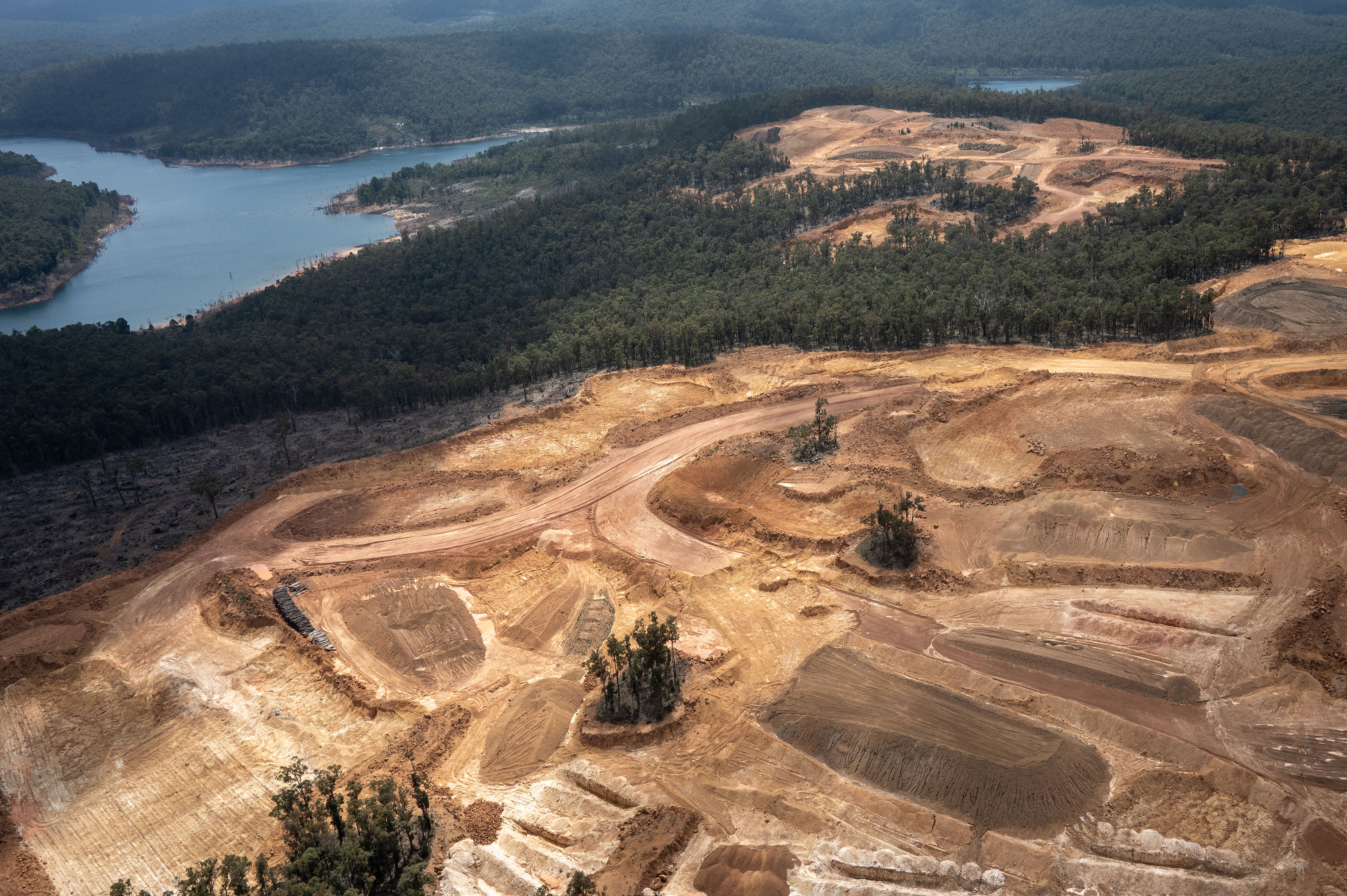
Serpentine Dam Aerial. Credit: Nancey Miles Tweedie
Alcoa’s impact from strip-mining of our Northern Jarrah Forest has put precious flora and fauna on the brink of extinction, compounded due to climate change.
As a movement, we have worked to elevate our concerns for nature, so they can be adequately accounted for in the planning of future projects in WA.
Nature is well behind the eight-ball when it comes to industry, and industry-first rhetoric only reinforces that reality.
While there is an argument for removing duplication in project approvals at a state and federal level, there is the dark art of using this as an excuse to compromise the entire process.
Environment groups are not opposed to efficiency but what we want, and what the environment needs, is decision-making processes that ensure environmental protection.
In WA, we have a government hell-bent on passing a State Development Bill that, again, puts nature second to big business and industry.
It seeks to undermine the broad legislative outcomes we have agreed through parliament by creating a bill to rule over 40 pieces of existing legislation, including impacting the state Environmental Protection Act.
Why would the federal government be handing over the assessment reigns to a state government that has shown scant regard for the protection of nature?
In our political system, we have a dedicated resources minister. She does not consult heavily with environmental groups and makes no apologies in just backing the resources sector under her portfolio.
The environment minister needs to be doing the same – he shouldn’t be the guy fighting for faster project approvals, he should be the guy fighting to protect and restore nature.
The Labor government has a choice as to how this bill is passed and what party it aligns its environmental values with. The responsibility lies with them.
They need to show leadership and not just kowtow to the demands of a few industry groups who sign-on to a letter. How this plays out is up to you, Minister Watt.
Take Action
Join the Australian Conservation Foundation (ACF) and the Conservation Council of WA (CCWA) for a community conversation about what’s at stake, what the current reforms mean, and how we can push for stronger laws that actually protect our environment. Event details here.
Join thousands of Western Australians calling on the government to show leadership and act. Sign the open letter calling on the government to deliver stronger environmental laws. Sign here.