Australians have woken up this morning to some dire warnings about the coming impacts of the climate crisis, hot on the heels of the Federal Government approving Woodside’s North West Shelf (NWS) extension, the dirtiest and most polluting fossil fuel hub in Australia.
Conservation Council of WA (CCWA) Executive Director Matt Roberts said the urgency of its own findings in the first National Climate Risk Assessment (NCRA) released today doesn’t appear to have fully registered with our Federal Government.
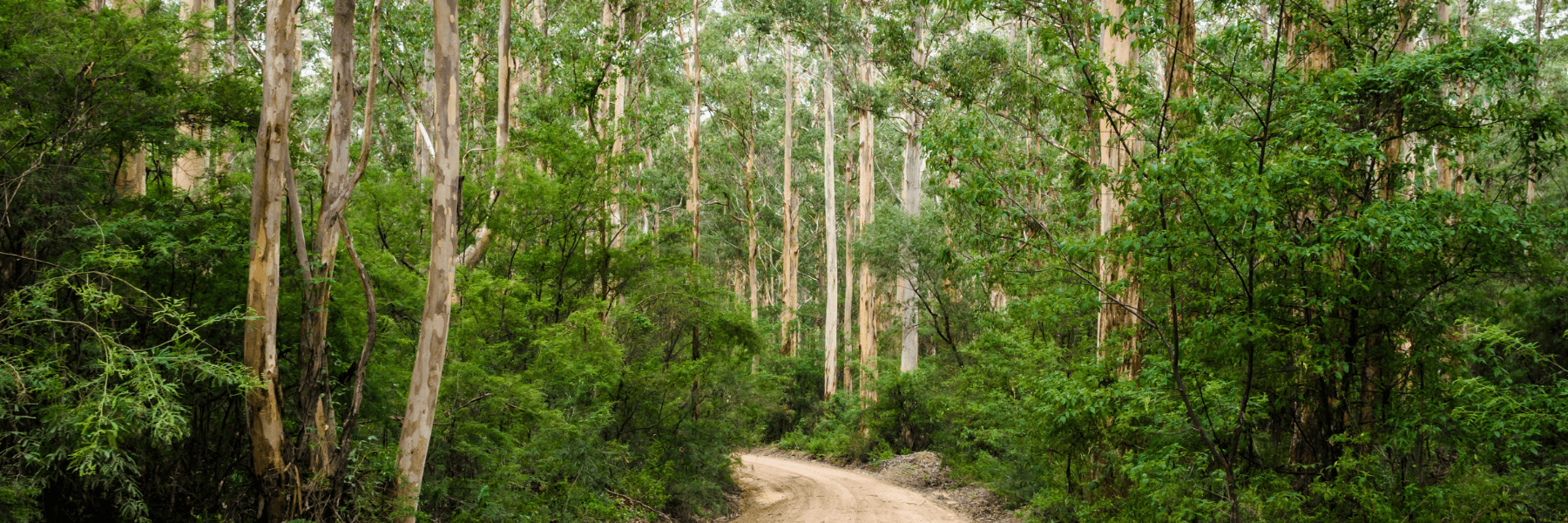
“The report states: ‘Australians will be impacted by loss of important ecosystems and species by the middle of the century, without implementing direct intervention and adaptation actions. Ecosystems provide clean air and water, food security through pollination, raw materials for medicines, natural disaster protection, and regulate the local climate,” Mr Roberts said.
“This middle of this century is the period starting from the mid-2030s, not some far distant date a hundred years away. In fact, it’s much closer than the extended lifetime of the NWS which will push out 4.3 billion tonnes of greenhouse gas emissions until 2070.
“The science is clear, there can be no new gas projects if we want to keep global warming within 1.5 degrees celcius.
“Modelling for the report was completed late last year and the final product was delayed in its release. Minister Bowen called it a sobering read, and he’s not wrong.
“At nearly 300 pages, it details the climate risks Australians can expect by 2050 on our current trajectory towards nearly 3°C of warming: heatwave deaths will triple in Perth and more than quadruple in other major cities,1.5 million of us will be exposed to sea level rise and coastal flooding risks, and our oceans will be subject to coral-killing marine heatwaves for half the year.
“But the greatest dissonance here is between the severity of these warnings, and the desperately inadequate policy response from our Federal Government.
“The NWS approval was a glaring example of putting industry before climate, attempting to position gas as a clean, green transition fuel. We cannot have our government keep parroting industry lines about gas while they fail to demonstrate a proper commitment to a transition away from this polluting fossil fuel. They need to act in our interests and not those of the gas industry.
“The report shows that communities in Northern WA are at the highest risk from climate change impacts. We are hearing a lot about the benefits of the NWS industry to the local community – yet that industry is fuelling the climate risks outlined in this report. Why is the government not showing leadership and standing up for vulnerable communities in this country?
”The government will soon announce a 2035 emissions reduction target as part of our Nationally Determined Contribution under the Paris Agreement, and anything less than a target to reduce emissions by 75% or more is indefensible and would lock us into 2.4° of global temperature rise.
“Despite the report's bleak assessment of our country's future, speaking to media today Minister Bowen made no reference to the climate impact gas emissions have and continue to play in global warming, and gave no indication that the Federal Government would increase the ambition of its climate targets in response to the findings in the report.
“CCWA is calling on the Federal Government to set a strong 2035 emissions reduction target, implement climate policies ambitious enough to meet the challenges we face, including a long-overdue review of the effectiveness of the Safeguard Mechanism which simply allows industry to pay to keep polluting, without reducing actual emissions.
“The government must also commit to funding and enabling much-needed adaptation work across Australia to address the risks we all face in a warming climate, alongside the rollout of the renewable energy solutions that will power our future.
“The report states that ‘changes in Australia’s climate will not occur gradually or smoothly. Reaching potential climate and ecological tipping points is very likely to result in abrupt changes’. It is likely we will experience more compounding, cascading and concurrent hazards’ (p.10).
“If ever there were a time for increased ambition on climate, it’s now,” Mr Roberts said.