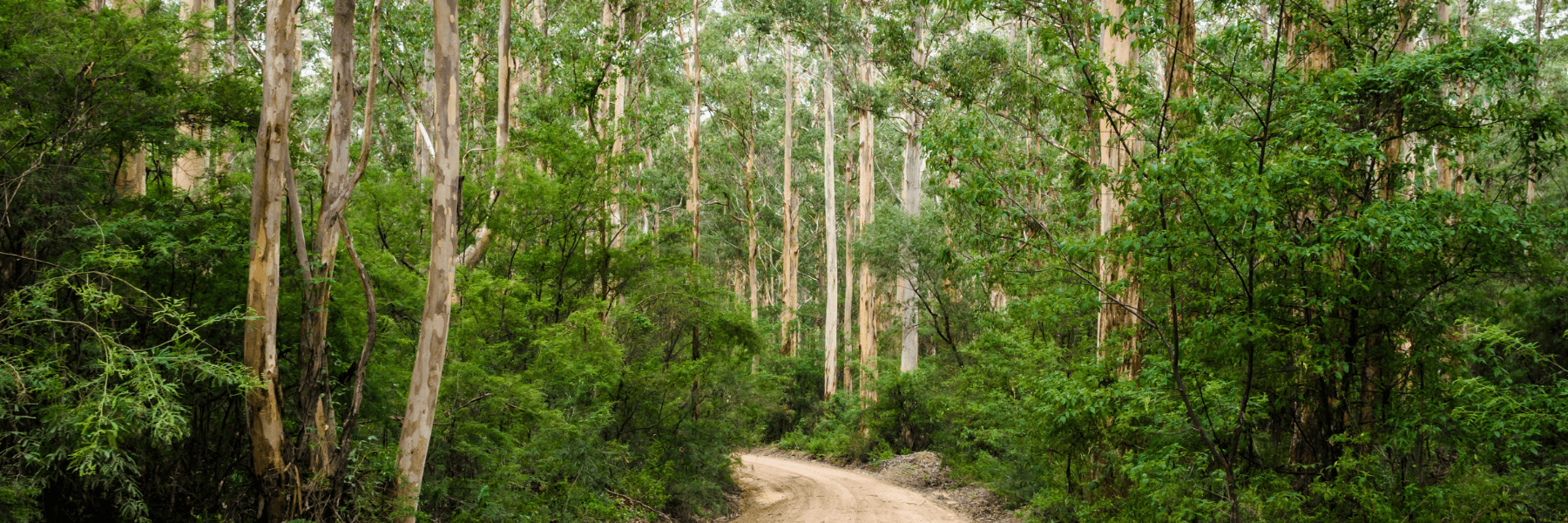
Location: Jandakot – within the Threatened Ecological Community -Banksia woodlands of the Swan Coastal Plain
Impact: The clearing of endangered Banksia Woodland, which provides critical habitat for two threatened black cockatoo species
The Perth Surf Park was initially proposed in 2018 for Tompkins Park in Alfred Cove. This site is a Bush Forever Site (BF 331) with significant environmental value, providing a buffer to the Swan Estuary Marine Park, and supporting the A-Class Nature Reserve located adjacent. The site also includes wetland and dampland habitat that forms important wildlife corridors. The proposal was referred to the EPA and public comment was advertised, receiving 740 public submissions – 66% of which called for an assessment. However, the EPA decided not to assess, despite huge community opposition. Subsequently, an appeal against the decision was made and was put indefinitely on hold, due to the immense pressure from the public.
An alternative site in Jandakot was later chosen, with plans for an open water surfing lagoon, accommodation, food and beverage venues, functions centre and events space, skating facilities, and health and wellness facilities. The Perth Surf Park was referred to the EPA in 2022 by the proponent, PSP Properties. This new location contains critical habitat for the endangered Carnaby’s Black Cockatoo and the vulnerable Forest Red-tailed Black Cockatoo, as well as the Threatened Ecological Community - Banksia woodlands of the Swan Coastal Plain. Additionally, the site includes a Conservation Category Wetland (CCW).
Figure 1: Old grass tree. Image by Margaret Owen.Figure 2: Red-Tailed Black Cockatoo. Image by John Blakey
DWER found that the proposal was at variance with the following four clearing principles:
The vegetation is of high biodiversity value – clearing principle (a):
The area contains three vegetation types, three quarters of which is in good or better condition.
The vegetation is part of habitat critical to the survival of black cockatoos and habitat for multiple other fauna – clearing principle (b)
The application area contains 2.08 ha of foraging habitat for two black cockatoo species
The vegetation is part of a TEC – clearing principle (d)
The clearing of 3.16 hectares of the endangered Banksia Woodland will contribute to the further decline and fragmentation (i.e., have a significant impact) of this endangered ecosystem
The vegetation is growing in association with a wetland – clearing principle (f)
The proposal will result in the clearing of 1.48 hectares of a wetland that has values that are commensurate with a CCW.
Despite these findings, the Perth Surf Park project was not assessed by the EPA and was granted a clearing permit by DWER. Again, the proposal was referred to the EPA, receiving 1,096 submissions, with 946 requesting an assessment.
Again, the EPA decided not to assess, despite great community opposition, citing that the likely environmental effects were not significant enough to warrant assessment. No advice was given. In the explanation of the decision, the EPA considered that the vegetation is of “low-moderate quality foraging habitat for black cockatoo” (Perth Surf Park extract of determination, p.1), which is in contradiction to DWER’s reports of good to better condition foraging habitat. ccxiii The EPA also failed to address the loss of a TEC and impacts to a CCW.
A clearing permit was then granted by DWER to clear a total of 5.75 ha of native vegetation. Following a lengthy appeals process, the Minister upheld the decision by DWER. The Minister justified his decision by stating that the “economic benefits of the surf park outweigh the significant environmental values of the application area”. The Minister also admitted that the project was part of a private commercial venture.
This case exemplifies the lack of accountability and independence in WA’s environmental decision making. In 2024, further legislative changes weakened the EPA’s independence, introducing fast-tracked approvals, removal of rights to appeal ‘not-assess’ decisions, and the introduction of a “Statement of Expectation” from the Minister for the Environment. This is why reform is greatly needed.
Recommendations
Introduce provisions to ensure that projects at variance to the clearing principles can’t be approved, to prevent the clearing of critical habitat or TECs.
Guarantee a ‘right to reasons’ for all decisions made under the EP Act, including the reasons for why a decision was made and the evidence relied upon in making the decision. Where economic reasons factor into the decision, mandate the provision of a triple bottom line analysis (economic, social and environment) of the proposals. See 'Guarantee Right to Reasons' for more detail.
Make proponents responsible for demonstrating the public benefit of projects.