By Wildflower Society of Western Australia
Project: Main Roads WA, widening of the Northam-Pithara Road
Location: Central Wheatbelt
Impact: the loss and fragmentation of mature Eucalyptus woodland and other critical and remnant habitat.
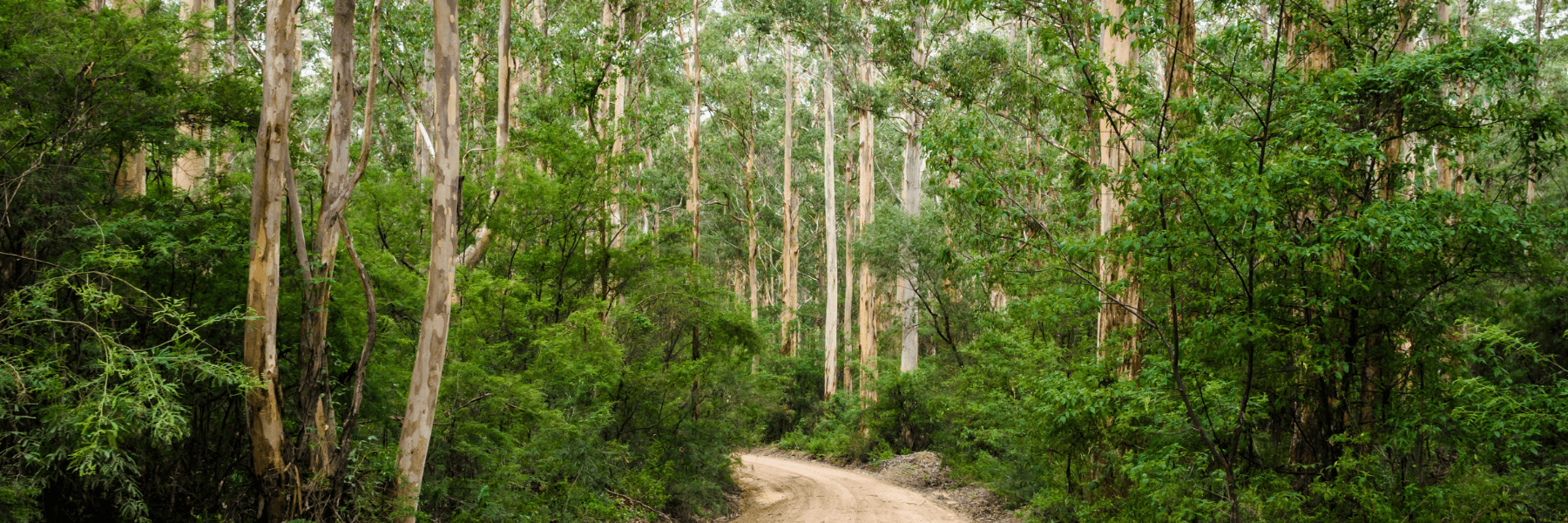
Eucalyptus woodland along the Northam-Pithara Road forms part of a strategic vegetation corridor from the northern Wheatbelt, through the central Wheatbelt to the Great Southern and South Coast linking hundreds of small areas of reserved land and disused and vacant townsites. Some of this woodland includes mature eucalypts (wandoo, salmon gum and York gum), 200–400 years old, that provide foraging habitat, nesting hollows and roosting sites for a range of fauna including birds, lizards and insects. The Wheatbelt has less than 30% of remnant vegetation cover (Shepherd et al., 2001), making this remnant vegetation significant, reflected in its listing under the EPBC Act as a critically endangered threatened ecological community - Eucalypt Woodland of the Western Wheatbelt .
Clearing of roadside vegetation for a perceived need to improve road safety poses a significant threat to conservation in the Wheatbelt, and to South-Western Australia more broadly.
The road safety program has failed to consider the impact of vegetation loss in areas where vegetation cover has already fallen below levels necessary to sustain high levels of biodiversity (EPA WA, 2000), and has neglected to account for the presence of rare and endangered plants and animals. Furthermore, felling of mature trees can have significant impacts as they provide refuge and breeding habitat for birds and other animals.


As part of the Regional Road Safety Program, the state government sought to clear 1 m of vegetation on either side of the Northam-Pithara Road to accommodate widening. The program enabled installation of audible white lines along 10,000 km of state roads, costing $1 billion.
The clearing of the Northam-Pithara Road was assessed under the Statewide Clearing Permit issued in 2005, enabling roadworks without individual clearing permits. Consultation identified the importance of mature vegetation, but recommendations to avoid clearing older trees were disregarded due to funding constraints.
When work commenced, community members witnessed hollow-bearing trees being felled with active fauna present. Following public concern, the project design was later modified to avoid removing mature trees.
This project highlights deficiencies in current environmental legislation and the Clearing of Native Vegetation Regulations 2004 under the EP Act .
It demonstrates that clearing of remnant vegetation in areas below 30% cover should not be permitted, and that broader ecological impacts of government programs must be assessed before implementation.

Recommendations
- Introduce a moratorium on clearing native vegetation where cover is below 30% of pre-European levels.
- Prohibit clearing of TECs and habitats of rare or endangered species, including a 200 m buffer where supported by scientific advice.
(See also Recommendation 1 under Implement an Ambitious Biodiversity Strategy and Recommendation 13 under Protect Critical and Remnant Habitat )
Citations
Shepherd et al. (2001). Native Vegetation in Western Australia.
EPA WA (2000). Environmental Protection of Native Vegetation in Western Australia.
DCCEEW (2015). Conservation Advice for Eucalypt Woodlands of the Western Australian Wheatbelt