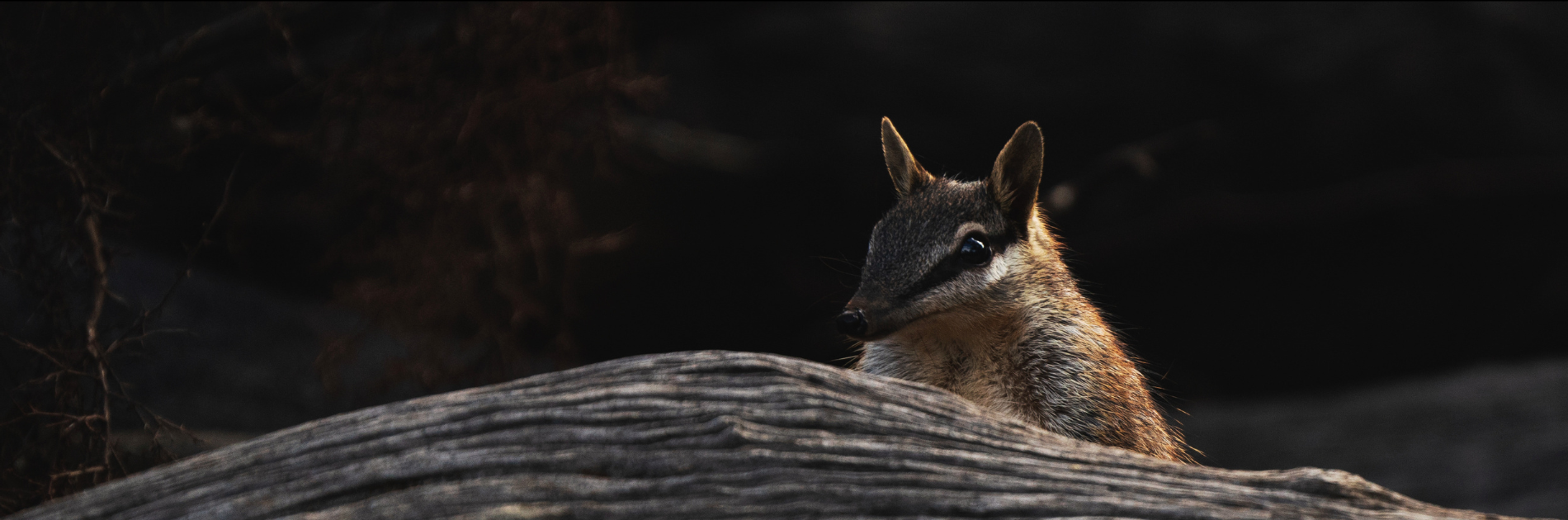
Nature has taken long to get it right. Millions of years. Yet in the nearly 200 years since colonisation in Western Australia, we have taken nature to the brink.
We live in a state that is vast and beautiful, from the white sands and old-growth forests of the South West, to the reefs and rivers of the Kimberley. WA is a truly special place.
But multinational corporations are behind growing habitat destruction, industrial pollution, and climate change that threatens what makes WA unique.
Ecosystems that should be protected and restored are being degraded and fractured across WA. Australia has the second highest rate of biodiversity loss globally, with the greatest loss nationally occurring in the South West of WA - largely due to deforestation. The region is home to the largest number of mammal species most at risk of extinction.
Across WA:
- 250 animals and 450 plants are threatened with extinction, and thousands more are at risk
- 16 flora species and 23 fauna species are listed as extinct.
- 65 Threatened Ecological Communities (TECs) are formally listed as threatened under the Biodiversity Conservation Act
- A further 390 TECs are likely to be threatened but lack sufficient data for listing
- 16 flora species and 23 fauna species are listed as extinct
- The Northern Jarrah Forest is at risk of collapse due to climate change, yet bauxite mining by Alcoa and South32 continues to devastate this ecosystem
- Across the Swan Coastal Plain, 80% of wetlands have been modified or destroyed, and an estimated 60% of Banksia woodlands have been cleared, while urban expansion continues to fragment what remains
- Even WA’s most remote regions are under pressure - from mining in the Hamersley-Pilbara, to fracking and mining proposals in the Kimberley.
There have been incredible failings of policy and regulation that the government can’t ignore. To give WA's threatened species and landscapes a chance to be protected and meaningfully restored, now and for generations to come, we must support constructive dialogue with decision makers and policy makers, government agencies, and all those working to protect and restore WA’s nature.
Humans are amazing creatures. Together, we can bring nature back from the brink.